Best Bypass Pruners for Fruit Trees, Berries and Shrubs
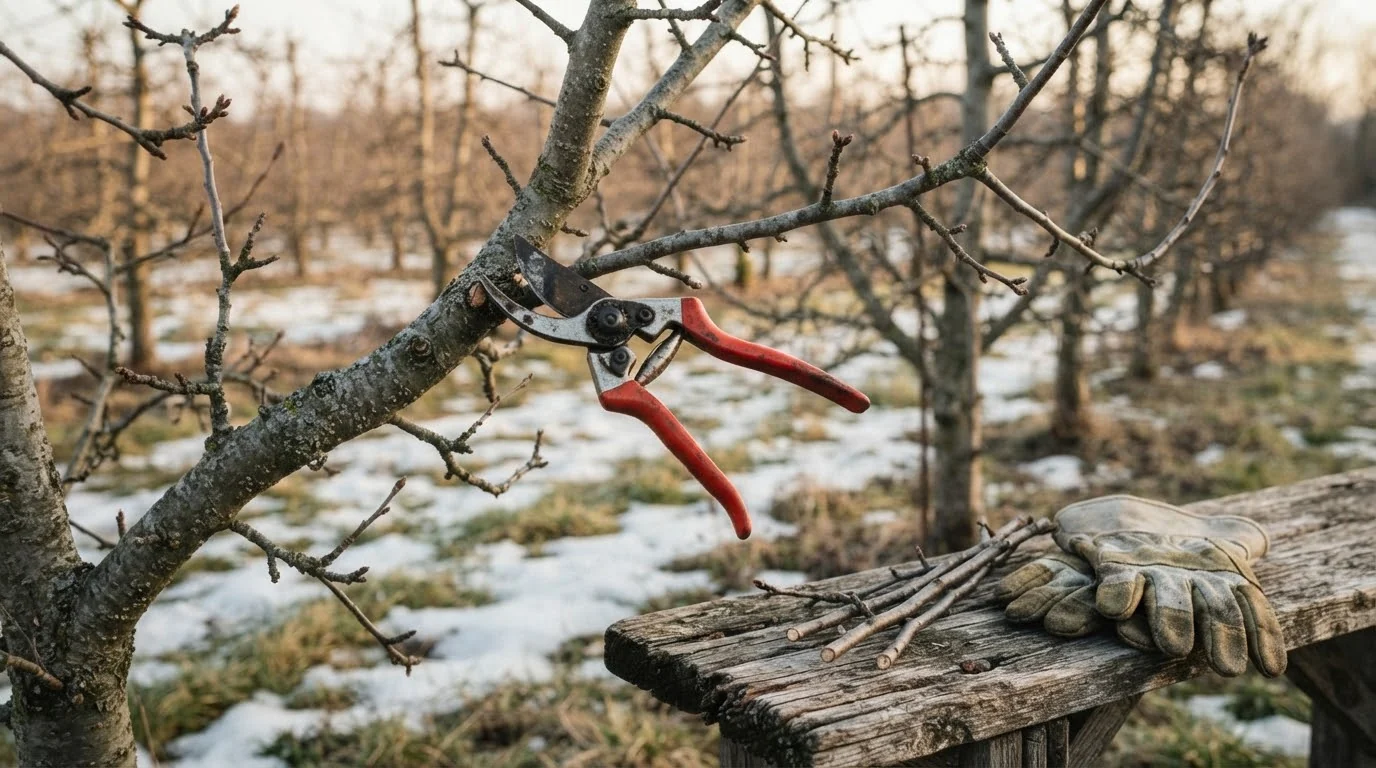
A good pair of bypass pruners is the tool you will use most in a northern fruit garden: shaping young apple trees, cutting out old raspberry canes, renewing haskap and currant bushes and deadheading roses. Clean cuts heal faster and give disease less chance to get in, which matters when trees are already stressed by long winters.
How we chose: we have not tested these pruners hands-on. Picks are based on manufacturer specifications and on published hands-on tests by HGTV and Bob Vila (see Sources).
The short answer
- Best for most gardeners: Corona Forged Classic Bypass Pruner. Cuts up to about 2.5 cm (1 in), with a sap groove, at a modest price.
- Buy-it-for-life: Felco F-2. Replaceable blades and springs; a long-time favourite of orchard workers.
- Smaller hands: Felco F-6, a compact version of the F-2.
- Light and sharp: Haus & Garten ClassicPRO, with Japanese steel blades.
- Weak grip or arthritis: a ratchet pruner such as the EZ Kut Ratchet Pruner, which cuts in stages.
- Fine work: Fiskars Micro-Tip Snips for deadheading, herbs and harvesting.
Pruner comparison
| Pruner | Type | Max cut | Weight | Notes |
|---|---|---|---|---|
| Corona Forged Classic | Bypass | About 2.5 cm | About 385 g | Solid value; sap groove |
| Felco F-2 | Bypass | About 2.5 cm | About 250 g | Fully rebuildable; parts sold separately |
| Felco F-6 | Bypass | About 2 cm | Lighter than F-2 | For smaller hands |
| Haus & Garten ClassicPRO | Bypass | About 2.5 cm | About 255 g | Light, rust-resistant |
| EZ Kut Ratchet | Ratchet (anvil) | Up to about 3.8 cm | About 200 g | Less hand strength needed |
| Fiskars Micro-Tip Snips | Snips | About 1.3 cm | About 80 g | Herbs, flowers, harvesting |
Figures are approximate, from manufacturer listings and the tests cited below.
Bypass or anvil?
Bypass pruners work like scissors: a sharp blade slides past a hook. They make clean cuts on living wood, which is what you want for fruit trees, shrubs and roses. Anvil pruners press a blade onto a flat surface. They are stronger on dead, dry wood but crush living stems, so they are a second tool, not a first.
What to look for
- Replaceable parts. Blades, springs and bolts wear out. Pruners with spare parts available last decades.
- Fit. The handles should open comfortably within your hand span. Too wide and you strain; too small and you lose leverage.
- Locking catch you can work with one hand and with gloves on.
- Cutting capacity. About 2 to 2.5 cm is typical for hand pruners. For thicker branches, switch to loppers or a pruning saw rather than twisting the pruner.
Pruning in a cold climate
- Prune fruit trees in late winter or early spring, while they are dormant and after the coldest weather. Pruning in fall can stimulate growth that does not harden off.
- Clean blades between trees when cutting out fire blight or other disease; rubbing alcohol works well.
- Cut just outside the branch collar, the slightly swollen ring at the base of a branch, and do not leave stubs.
Keeping pruners sharp
Wipe sap off after each use, sharpen the bevelled side of the blade with a small whetstone or diamond file a few times a season, and put a drop of light oil on the pivot. Store pruners dry over winter. Sharp, clean blades cut with less effort and make healthier wounds.
Planning next season? Save this guide to your Pinterest board so it is there when you need it.
Gear that helps
- Corona bypass pruner: Clean cuts up to about 2.5 cm at a modest price.
- Felco F-2: Rebuildable classic that lasts for decades.
- Bypass loppers: For branches too thick for hand pruners.
- Sharpening stone: Keeps blades sharp through the season.
As an Amazon Associate, Short Season Grower earns from qualifying purchases. Links open Amazon search results so you can compare brands, sizes and prices.
Keep reading
Frequently Asked Questions
Are bypass or anvil pruners better for fruit trees?
Bypass pruners. They cut like scissors and leave clean cuts on living wood. Anvil pruners are better kept for dead, dry branches.
Are Felco pruners worth it?
For gardeners who prune a lot, yes. Felco pruners are rebuildable, with replacement blades and springs, so one pair can last decades.
What pruners are easiest for weak hands?
Ratchet pruners cut in stages and need less grip strength. Pruners sized for smaller hands, such as the Felco F-6, also help.
When should I prune fruit trees in a cold climate?
In late winter or early spring while trees are dormant and after the coldest weather. Avoid fall pruning, which can trigger growth that does not harden off.