
Growing Parsnips in a Cold Climate: Sowing, Frost and Overwintering
Parsnips are the slowest crop in most northern gardens and one of the most rewarding. They need almost the whole season to size up, but they are completely at home in the cold: frost turns their starch into sugar, and they can even spend the winter in the ground under mulch.
The short answer
- Sow as early as possible in spring, even 1 to 2 weeks before your last frost.
- Use fresh seed every year; parsnip seed loses viability fast.
- Be patient: germination takes 10 to 21 days at 20°C and 3 to 4 weeks in cold soil.
- Parsnips need 110 to 150 days. Harvest after one or more frosts for the sweetest roots.
Based on the University of Saskatchewan parsnip guide.
Does a parsnip fit your season?
Compare the days to maturity on the packet with your frost-free days. Saskatoon averages about 130 frost-free days and Yellowknife about 111, according to USask. Parsnips handle frost, so they can keep growing a few weeks past the first light frost, but in the shortest seasons choose quicker or shorter varieties.
Sowing for good germination
- Fresh seed: parsnip seed is only reliable for about a year. Buy new each spring, or test old seed first.
- Depth: about 1 cm.
- Moisture: keep the surface consistently moist, never soggy, until seedlings appear. This can mean watering once or twice a day in dry spells.
- Spacing: sow about 2 cm apart and thin to about 8 cm; or about 16 per square foot in a raised bed.
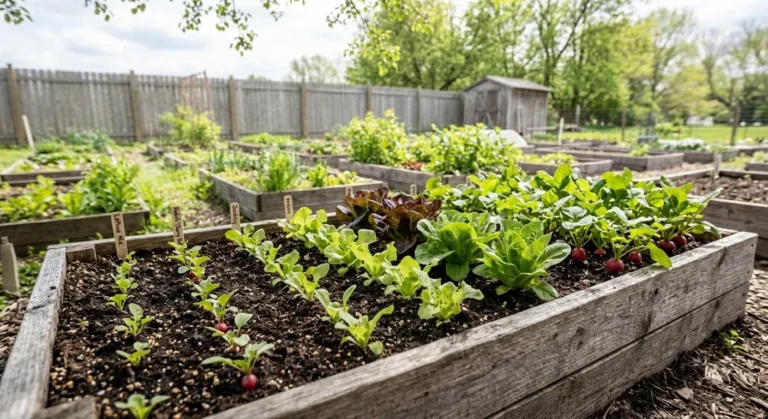
- Raised beds warm sooner, which helps early sowing.
Many gardeners sow a few radishes in the same row. They come up quickly and show where the slow parsnips are.
Varieties
Varieties tested by USask include Harris Model, Andover and Arrow. Other options include Javelin, Albion and Hollow Crown types. For containers or shallow soil, choose a shorter variety such as Javelin.
Care through summer
Parsnips need about 2.5 cm of water a week. They will grow without extra water in most years, but the roots will be smaller. Keep weeds down while they are young, and avoid soggy soil, which causes root rot.
Harvest after frost
Frost converts starch to sugar, so wait until after at least one frost. Parsnips can stay in the ground into October, or later with mulch, as long as the soil stays above about −1°C. Loosen the soil with a fork before pulling; the roots are long. Watering two days before harvest helps in hard soil.
Overwintering in the ground
For a spring harvest, cover the bed with at least 15 cm of straw or leaves before the ground freezes, anchor it with burlap, and dig the roots as soon as the soil thaws in spring. USask reports success but notes it is not guaranteed in the coldest areas. Harvest before the plants start regrowing.
A note on skin irritation
Parsnip leaves can cause skin rashes in sensitive people, especially in sunlight. Wear gloves, long sleeves and long pants when weeding or harvesting.
Storage
Store parsnips like carrots: unwashed, with about 2 cm of top left on, near 0°C and very high humidity, away from apples. See how to store root vegetables over winter.
Gear that helps
- Soil thermometer: Soil temperature, not the calendar, tells you when seeds will actually sprout.
- Garden digging fork: Lifts root crops with less damage than a spade.
- Garden gloves: Protect your hands from thorns, rough stems and irritating sap.
As an Amazon Associate, Short Season Grower earns from qualifying purchases. Links open Amazon search results so you can compare brands, sizes and prices.
Keep reading
Frequently Asked Questions
Why are my parsnip seeds not germinating?
Parsnip seed is only reliable for about a year, and it needs constantly moist soil. Germination takes 10 to 21 days at 20°C and 3 to 4 weeks in cold soil.
How long do parsnips take to grow?
About 110 to 150 days depending on the variety.
Should parsnips be harvested after frost?
Yes. Frost turns starch into sugar, so harvest after one or more frosts for the sweetest roots.
Can parsnips stay in the ground over winter?
Often, yes, under at least 15 cm of straw or leaves. Dig them as soon as the soil thaws in spring.