How Much to Water a Vegetable Garden (and When Each Crop Needs It Most)
Watering seems simple, but it causes a surprising number of garden problems: bitter cucumbers, split cabbages and carrots, blossom end rot on tomatoes, peas that stop producing. The good news is that one rule of thumb covers most vegetables, with a few crops that need more at key moments.
The short answer
- Most vegetables need about 2.5 cm (1 inch) of water a week, from rain plus watering.
- Squash, cucumbers, zucchini and pumpkins need about twice that from mid-July.
- Water deeply and less often, early in the day.
- Consistency matters more than the exact amount.
Water amounts from the University of Saskatchewan Gardenline crop guides listed under Sources.
How much is 2.5 cm?
It is about 25 litres of water per square metre, or roughly 6 litres per square foot, per week. Set a straight-sided can or rain gauge in the bed while you water to see how long it takes your sprinkler or hose to deliver 2.5 cm. Count rainfall toward the total.
When crops need water most
| Crop | Critical time | What goes wrong when dry |
|---|---|---|
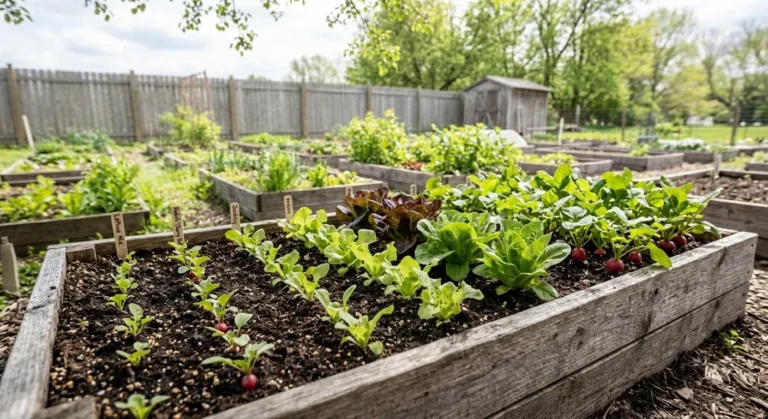
| Carrots, beets, parsnips | From sowing until seedlings are up | Seeds fail to germinate |
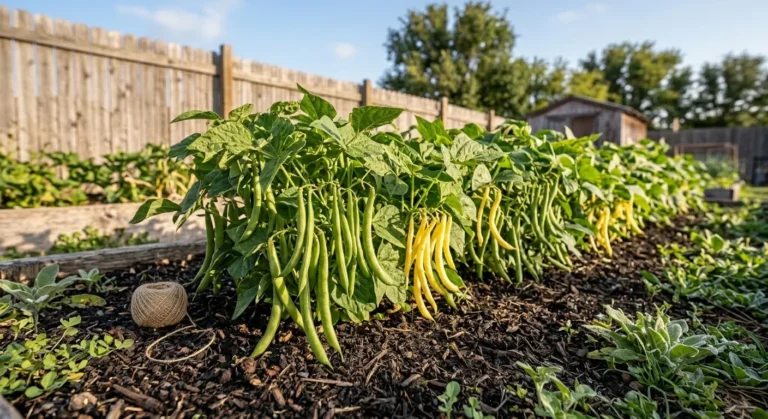
| Peas and beans | During and after flowering | Fewer pods |
| Cucumbers, squash, zucchini | From mid-July while fruiting | Small, bitter fruit |
| Tomatoes and peppers | All season, evenly | Blossom end rot |
| Onions | As bulbs swell | Small bulbs (shallow roots dry out fast) |
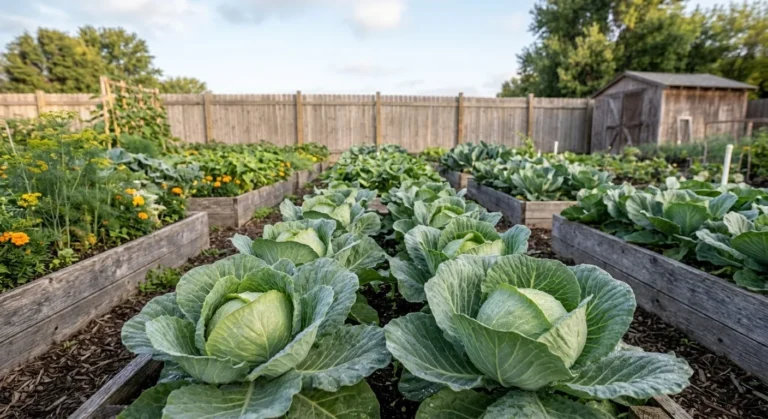
| Cabbage | All season, evenly | Split heads after a dry spell then rain |
| Garlic and onions | Stop near harvest | Too much water late causes rot |
How to water well
- Deep and infrequent beats shallow and daily for established plants. Deep watering builds deep roots that handle dry spells.
- Water early in the day so leaves dry before evening, which reduces disease.
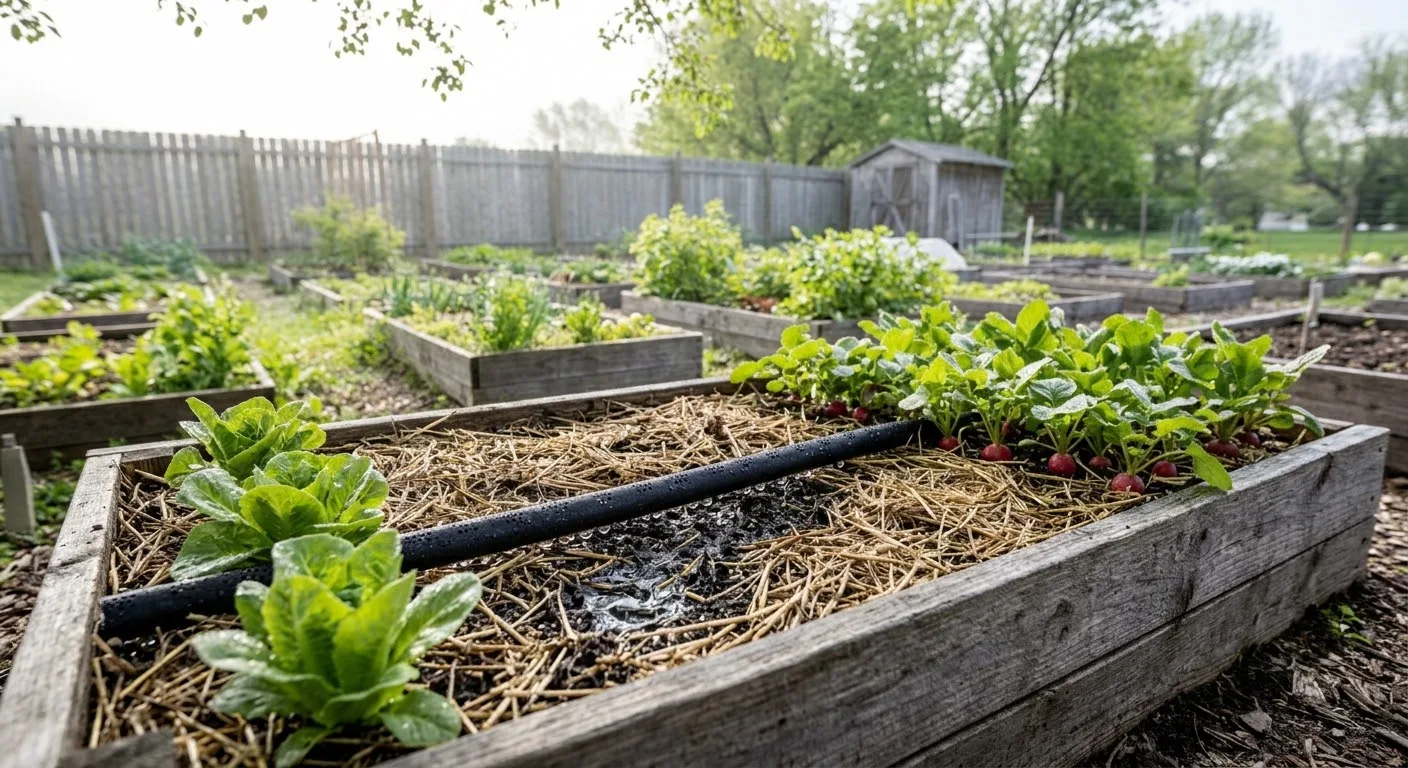
- Water the soil, not the leaves. A soaker hose or drip line under mulch is the most efficient setup.
- Seedbeds are the exception. Freshly sown carrots and parsnips need light watering once or twice a day to keep the surface moist until they sprout.
- Containers dry fast. Check pots daily in summer; they may need water every day in heat and wind.
Mulch: water you do not have to add
A layer of straw, shredded leaves or grass clippings holds moisture in, keeps soil temperature steady and smothers weeds. Apply it once the soil has warmed in late spring; mulching too early keeps cold soil cold.
Sandy vs clay soil
Sandy soil drains fast and may need more water, more often, in hot weather. Clay holds water longer but can get waterlogged; water less often and avoid soggy conditions, which cause root rot. Adding compost improves both.
Late-season watering
As fall approaches, cut back on water for onions and garlic so they can mature and cure. Keep watering trees and perennials deeply before freeze-up if the fall is dry; plants that go into winter dry are more likely to be damaged.
Watering containers and raised beds
Containers and raised beds dry out much faster than garden soil, especially on windy prairie days. Check pots daily in summer by pushing a finger into the soil; water when the top 2 to 3 cm are dry. Large containers hold water longer than small ones. A layer of mulch on top and self-watering containers help a lot during heat waves.
Signs of too little or too much water
| Sign | Too little water | Too much water |
|---|---|---|
| Wilting | Wilts in the heat, recovers in the evening | Wilts even when soil is wet; roots may be rotting |
| Leaves | Dry, crispy edges | Yellowing lower leaves |
| Fruit | Blossom end rot, bitter cucumbers, small fruit | Split tomatoes and cabbages after heavy watering |
| Soil | Hard, cracked surface | Soggy, smells sour |
Drip irrigation and soaker hoses
Drip lines and soaker hoses put water at the roots, waste less to evaporation and keep leaves dry, which reduces disease. A simple timer at the tap makes watering consistent even when you are away. Run them long enough to soak the root zone, often 30 to 60 minutes, then check the soil 10 to 15 cm down with a trowel to see how far the water reached.
Collecting rainwater
A rain barrel under a downspout collects a surprising amount of water from even a short summer storm. Plants generally prefer rainwater to hard tap water, and it is free. Cover barrels with a screen to keep mosquitoes out, and drain and store them before the first hard freeze so they do not crack.
Planning next season? Save this guide to your Pinterest board so it is there when you need it.
Gear that helps
- Rain gauge: Tells you how much rain the garden really got, so you know when to top it up.
- Soaker hose: Waters the soil, not the leaves, which helps prevent disease and wastes less water.
- Drip irrigation kit: Delivers steady moisture to the roots. Add a timer and it runs itself.
- Hose timer: Keeps watering regular while you are away. Uneven watering is what makes cabbages split and carrots crack.
As an Amazon Associate, Short Season Grower earns from qualifying purchases. Links open Amazon search results so you can compare brands, sizes and prices.
Keep reading
- Growing cucumbers in a short season
- Growing carrots in a cold climate
- How to protect fruit trees from winter damage
Frequently Asked Questions
How much water does a vegetable garden need per week?
About 2.5 cm (1 inch) a week from rain and watering combined for most vegetables. Squash, cucumbers and zucchini need about twice that from mid-July.
Is it better to water every day or once a week?
For established plants, deep and less frequent watering is better. Freshly sown seedbeds and containers are the exception.
What time of day should I water the garden?
Early in the day, so leaves dry before evening and disease is less likely.
Why are my cucumbers bitter?
Dry soil is a common cause. Water evenly, increasing to about twice a week from mid-July.
How often should I water containers?
Check them daily in summer and water when the top 2 to 3 cm of soil are dry. Small pots may need water every day in hot, windy weather.
How long should I run a soaker hose?
Often 30 to 60 minutes, depending on the soil and flow. Check 10 to 15 cm down with a trowel to see how far the water reached.