How to Harden Off Seedlings: A 7-Day Schedule
Seedlings grown indoors have never felt wind, full sun or a cold night. Move them straight into the garden and they can scorch, wilt or stop growing for weeks. Hardening off, a gradual introduction to outdoor conditions, takes about a week and makes the difference between transplants that take off and ones that struggle.
The short answer
- Start 7 to 10 days before your planting date. Fast-growing squash and cucumbers need at least 3 days.
- Begin with an hour or two in shade, out of the wind, and add time and sun each day.
- Bring plants in if nights drop near freezing, especially warm-season crops.
- Plant out on a cloudy, calm day or in the evening.
Why it matters
Leaves grown under indoor lights are thin and soft. Outdoors, strong UV light can bleach them, wind dries them and cool nights stall growth. Over a week of gradual exposure, leaves thicken, stems toughen and plants adjust their water use. The University of Saskatchewan’s guides say to harden off transplants for at least 3 days in a sheltered, frost-free spot; a week or more is better for slow growers like tomatoes and peppers.
A 7-day hardening off schedule
| Day | Where | How long |
|---|---|---|
| 1 | Full shade, no wind | 1 to 2 hours |
| 2 | Shade | 2 to 3 hours |
| 3 | Morning sun, afternoon shade | 3 to 4 hours |
| 4 | Morning sun, afternoon shade | 5 to 6 hours |
| 5 | Mostly sun | Most of the day |
| 6 | Full sun | All day |
| 7 | Full sun | All day and overnight if nights are mild |
Adjust for weather. On a hot, windy day, stay in shade longer. On a cold or stormy day, skip a day.
Cold-tolerant vs warm-season crops
- Cabbage, broccoli, kale, cauliflower, onions: can stay out on cool nights once hardened, as long as it is not below about −2°C. USask plants these out once days reach about 10°C.
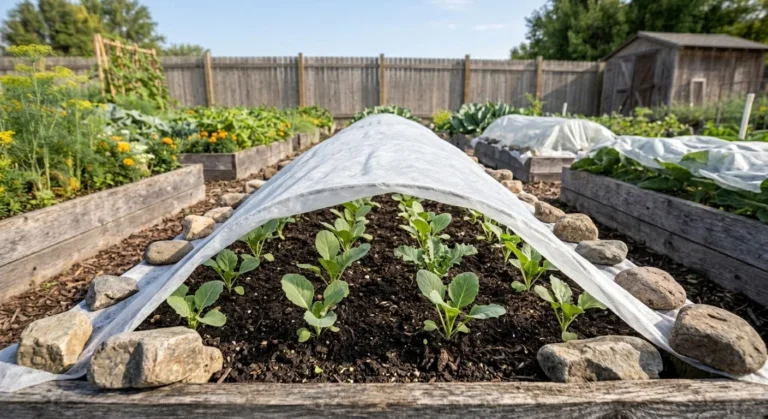
- Tomatoes, peppers, cucumbers, squash: bring them in or cover them on any night near freezing. Cucumbers and squash want nights of 18°C before going out for good.
Tips that make it easier
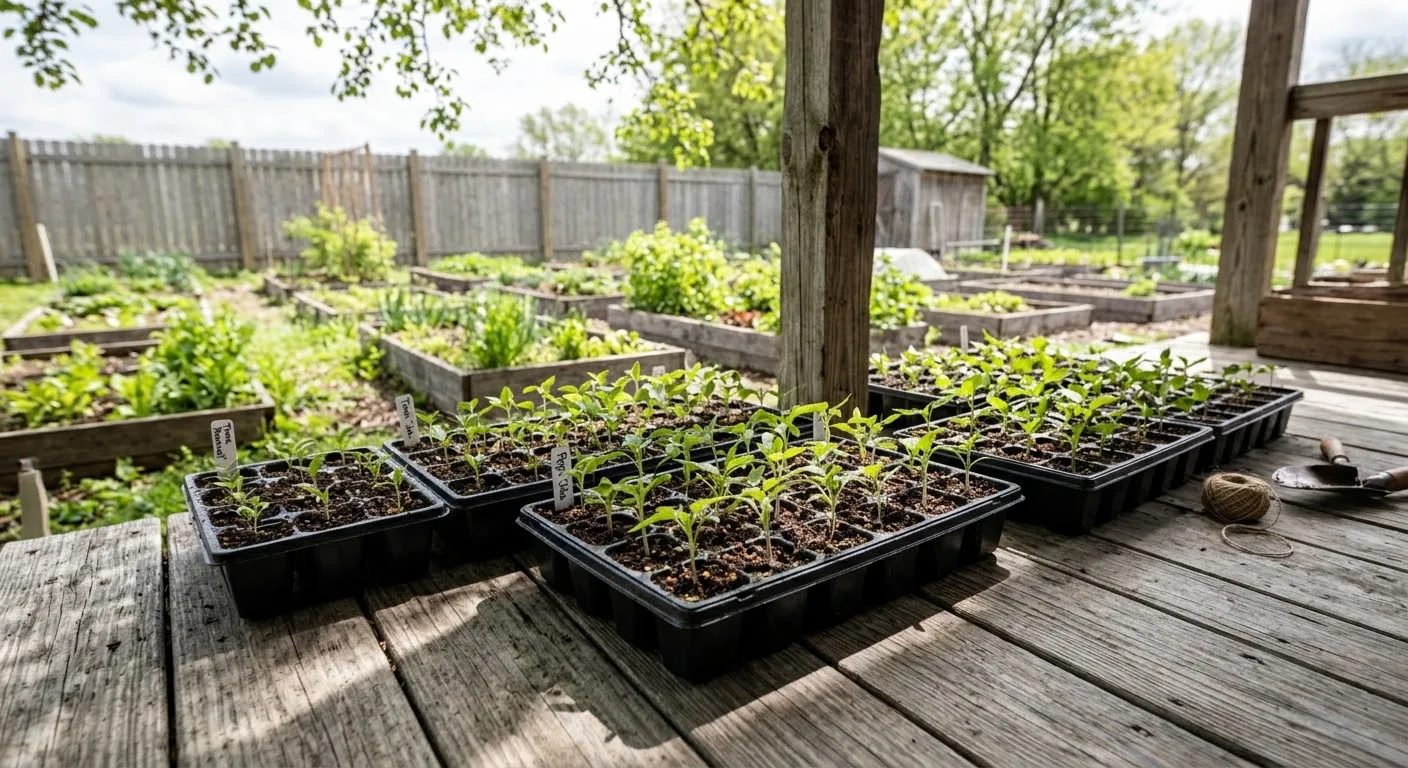
- Use a tray or wagon so moving plants takes seconds.
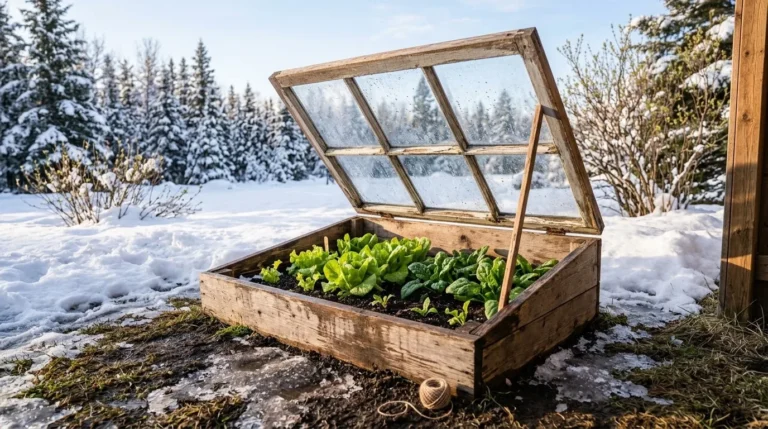
- A cold frame is the easiest hardening-off spot: open the lid more each day and close it at night.
- Water carefully. Small pots dry out fast outdoors; check twice a day in sun and wind. Do not let plants wilt.
- Hold off on fertilizer during this week so plants toughen rather than push soft growth.
Planting day
Transplant on a cloudy, calm day or in the evening, water well and keep a frost cover handy for the first couple of weeks. Bury tomatoes deep, and cover the whole root plug of other transplants so the potting mix does not dry out.
Signs of transplant shock and what to do
| Sign | Cause | What to do |
|---|---|---|
| White or bleached patches on leaves | Sunscald from too much sun too soon | Shade for a few days; new leaves will be fine |
| Wilting on the first afternoon | Roots not yet established | Water well; shade in the hottest hours |
| Purple leaves on tomatoes | Cold soil or cold nights | Usually temporary; cover on cold nights |
| Plants stop growing for weeks | Root disturbance or cold | Wait for warmth; avoid fertilizing heavily |
Hardening off with a cold frame
A cold frame makes hardening off much easier. Set seedlings inside it, open the lid fully on warm days and close it partly at night. Over a week, leave it open longer each day, until the lid stays open day and night. This method also protects seedlings from a sudden cold snap, which is common in late May on the Prairies.
Hardening off in a short season
- Plan backwards. If you want to transplant tomatoes on June 1, start hardening off around May 22 to 25.
- Watch the forecast. Bring plants in if night temperatures will drop below about 10°C for warm-season crops, or below −2°C for cabbage family crops.
- Do not rush. A few extra days of hardening off cost less time than a set-back transplant.
Planning next season? Save this guide to your Pinterest board so it is there when you need it.
Gear that helps
- Mini greenhouse: Gives seedlings shelter from wind while they harden off, and you can wheel or carry it in on cold nights.
- Shade cloth: Softens strong sun for the first few days of hardening off, so leaves do not scorch.
- Wireless indoor/outdoor thermometer: A low-temperature alarm warns you on frost nights before the damage is done.
As an Amazon Associate, Short Season Grower earns from qualifying purchases. Links open Amazon search results so you can compare brands, sizes and prices.
Keep reading
- How to start seeds indoors in a cold climate
- When to plant tomatoes in zone 3
- How to warm soil in spring
Frequently Asked Questions
How long does it take to harden off seedlings?
About 7 to 10 days for most plants. Fast-growing squash and cucumbers need at least 3 days.
Can I skip hardening off?
It is risky. Unhardened seedlings can scorch in the sun, dry out in the wind or stall for weeks after planting.
Should seedlings stay out overnight while hardening off?
Only near the end, and only if nights are mild. Bring warm-season crops in on any night near freezing.
What is the best time of day to transplant?
On a cloudy, calm day or in the evening, so plants settle in before facing full sun.
Can I use a cold frame to harden off seedlings?
Yes. Open the lid on warm days and partly close it at night, leaving it open longer each day for about a week.
Why are my tomato seedlings purple after transplanting?
Usually cold soil or cold nights, which slows phosphorus uptake. It is normally temporary once the weather warms.