How to Store Root Vegetables Over Winter (With or Without a Root Cellar)
A good fall harvest can feed you well into winter, as long as each crop is stored the way it likes. The mistake most people make is treating every vegetable the same: a cold, damp root cellar is perfect for carrots and terrible for squash. Here is how to store the main fall crops from a northern garden.
Storage conditions at a glance
| Crop | Temperature | Humidity | Typical keeping time |
|---|---|---|---|
| Carrots, beets, parsnips | Near 0°C | Very high (95 to 100%) | Several months |
| Potatoes | About 4°C, dark | High (90 to 95%) | Months |
| Onions | About 10°C | Low (60 to 70%) | 3 to 5 months |
| Garlic | Cool, dark | Low | About 3 to 6 months |
| Winter squash and pumpkins | About 10°C | Dry | Months |
| Cabbage | Near 0°C | High | A few weeks to a month in the fridge |
Conditions from the University of Saskatchewan Gardenline guides for each crop, listed under Sources.
Root crops: carrots, beets and parsnips
These want to be almost as cold and damp as they were in the ground.
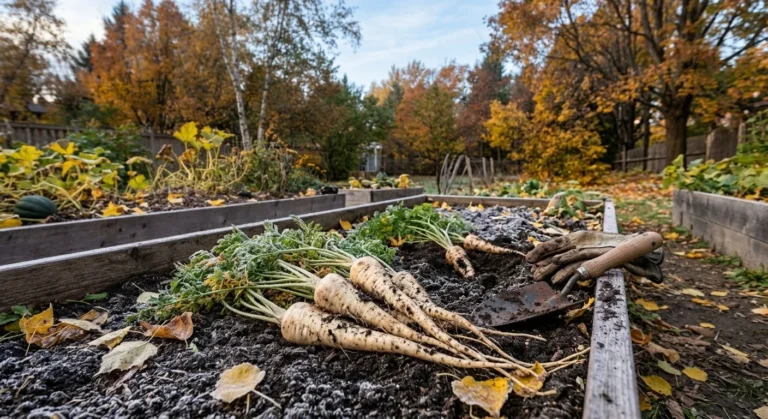
- Harvest late. Carrots and parsnips can stay in the ground as long as the soil stays above about −1°C, often into October. A light frost sweetens carrots and parsnips. Beets are less frost tolerant; lift them before a freeze.
- Trim, do not wash. Leave about 2 cm of stem, brush off loose soil and let roots cure in a cool, dry, dark place for a day or two.
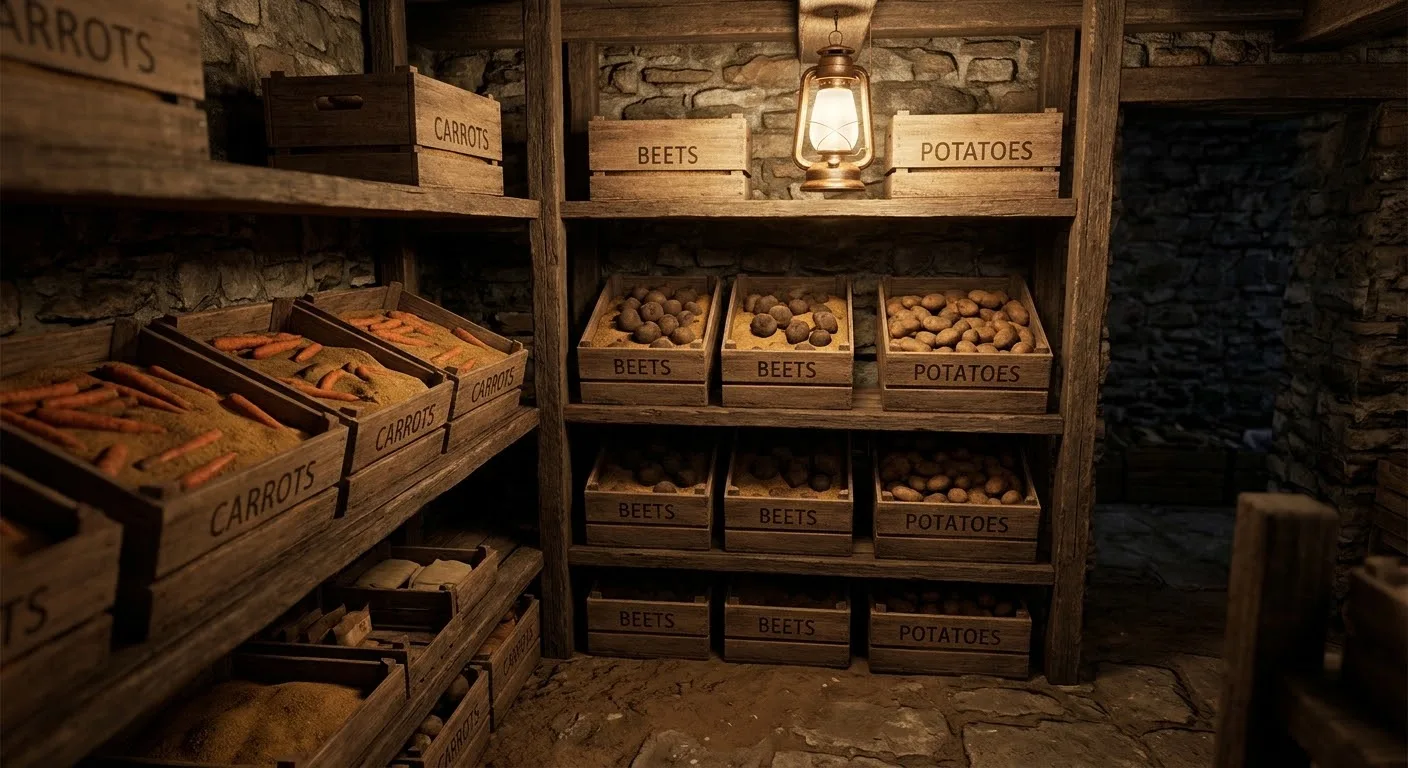
- Store cold and humid. Near 0°C with very high humidity. In a fridge, use plastic bags with a few holes or a paper towel you replace when damp. In a cold room, pack roots in crates of slightly damp sand or sawdust.
- Keep only perfect roots. Cut or badly scuffed roots go to the kitchen first.
Potatoes
- Cut off the tops a week or more before digging so the skins set, unless frost has already killed them.
- Dry briefly out of the sun; light turns potatoes green.
- Do not scrub. Store unwashed in the dark at about 4°C with high humidity and good air flow.
Onions and garlic
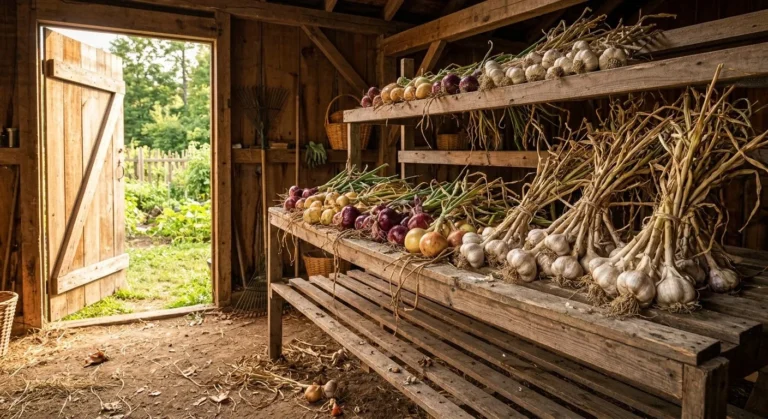
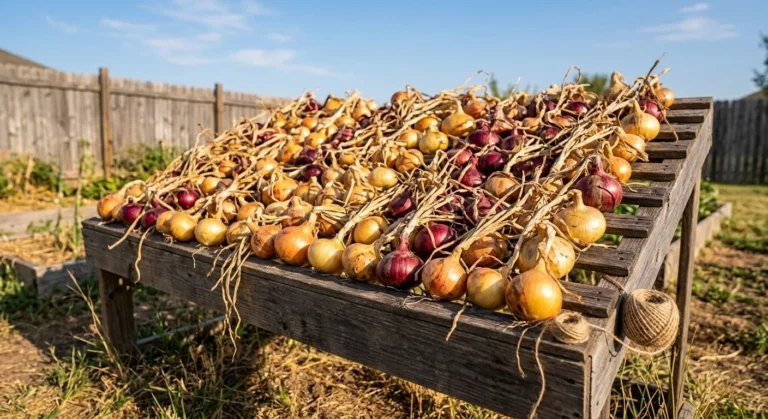
Both need to be cured first (see how to harvest and cure garlic and onions). After that they want the opposite of root crops: cool to moderate temperatures and dry air. Use mesh bags, baskets or slatted boxes and keep them away from exterior walls and heat vents.
Squash and pumpkins
Winter squash and pumpkins are the exception that surprises people. They store best at about 10°C in a dry place, such as a cool bedroom closet or basement shelf, not in a damp cold room.
The apple rule
Keep apples away from carrots, beets, parsnips and potatoes. Apples give off ethylene gas, which makes carrots bitter and can make potatoes sprout. Store fruit in a separate area or a separate fridge drawer.
No root cellar? Options that work
- Fridge crisper drawers for small amounts of carrots, beets and cabbage.
- A cool basement corner or an unheated room that stays above freezing for potatoes, squash and onions.
- Insulated coolers in an attached garage, as long as they stay above freezing.
- Leaving carrots and parsnips in the ground under a thick layer of straw, harvesting through late fall.
Check regularly
Look through stored vegetables every week or two. One rotting potato or soft squash can spoil its neighbours, so remove anything that is going off.
Gear that helps
- Vegetable storage bins: Stackable, ventilated bins keep root crops sorted and easy to check.
- Thermometer-hygrometer: Root crops store best cold and humid. This shows you both readings at a glance.
- Mesh produce storage bags: Let air move around stored onions, garlic and potatoes to prevent rot.
As an Amazon Associate, Short Season Grower earns from qualifying purchases. Links open Amazon search results so you can compare brands, sizes and prices.
Keep reading
- How to harvest and cure garlic and onions
- Growing winter squash in a short season
- Growing pumpkins in a short season
Frequently Asked Questions
What temperature should root vegetables be stored at?
Carrots, beets and parsnips keep best near 0°C with very high humidity. Potatoes like about 4°C in the dark. Onions and squash prefer about 10°C and drier air.
Should I wash carrots before storing them?
No. Brush off loose soil, leave about 2 cm of stem and store them unwashed. Wash them just before using.
Why do my stored carrots taste bitter?
They may be stored near apples. Apples give off ethylene, which makes carrots bitter. Keep them apart.
Can I store squash in a root cellar?
It is not ideal. Winter squash and pumpkins prefer a dry place at about 10°C, not a cold, humid cellar.