Best Trellises for Peas, Cucumbers and Pole Beans
Growing peas, cucumbers and pole beans up instead of out saves space, keeps fruit off cold, wet soil and makes picking easier. In a short season, it also helps: vines on a trellis get more sun and air, dry faster after rain and suffer less disease. Here are the trellis types that work best for each crop, and what to look for when buying.
How we chose: we have not tested specific trellis products hands-on. Trellis kits vary widely by brand, so this guide compares the main types, based on extension and seed company advice and on how each crop climbs. Links open Amazon searches so you can compare current options.
The short answer
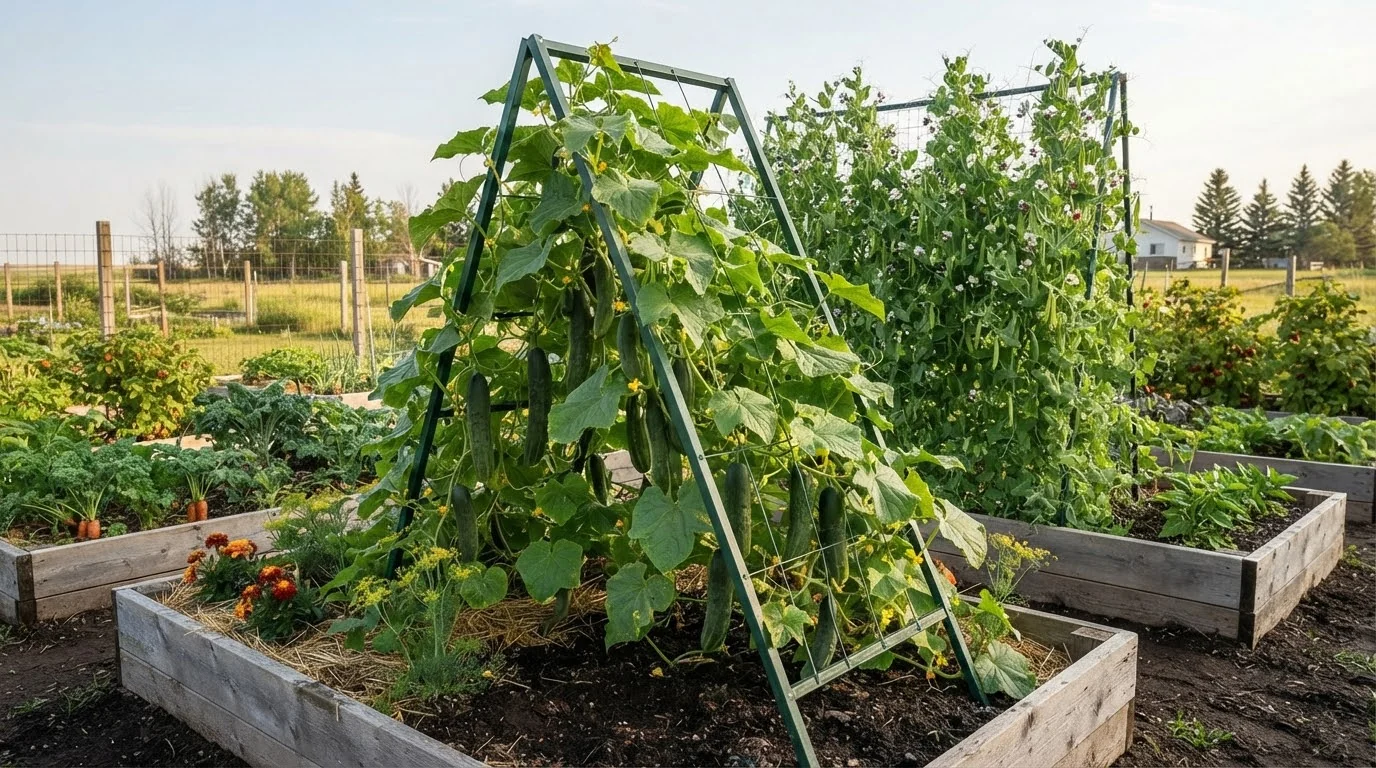
- Cucumbers: a sturdy metal A-frame trellis in a raised bed, or a cattle panel.
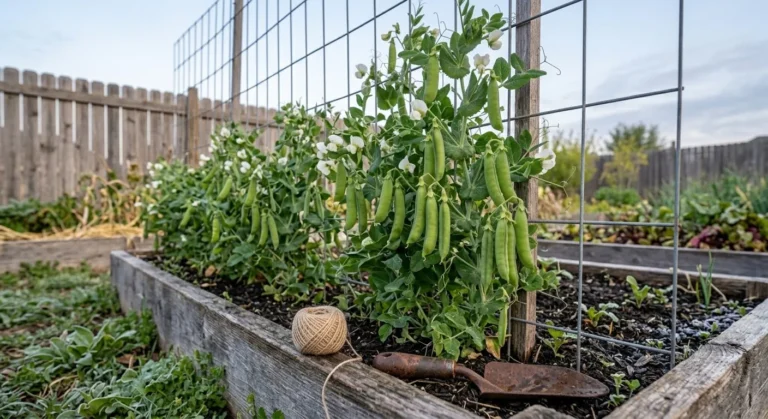
- Peas: trellis netting on two posts, about 1.2 to 1.8 m tall depending on the variety.
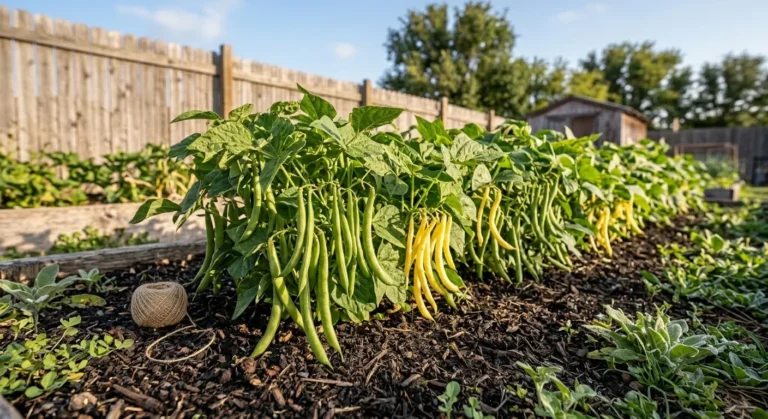
- Pole beans: a bean teepee or tall netting at least 2 m high.
- Most versatile and durable: a cattle panel arch, which lasts for decades.
Trellis types compared
| Type | Best for | Pros | Cons |
|---|---|---|---|
| Metal A-frame trellis | Cucumbers, small melons, peas | Folds flat, fits raised beds, plants underneath can grow in shade | Light kits can blow over without stakes |
| Trellis netting on posts | Peas, pole beans, cucumbers | Cheap, flexible length and height | Needs strong end posts; vines tangle at cleanup |
| Cattle panel (welded wire) | Cucumbers, squash, beans, peas | Very strong, lasts decades, can bend into an arch | Heavy and awkward to transport |
| Bean teepee or bamboo poles | Pole beans, peas | Simple, inexpensive | Smaller growing area |
| Obelisk or tomato cage | Cucumbers in containers, sweet peas | Compact, decorative | Small cages are too weak for heavy vines |
Matching the trellis to the crop
Peas
Peas climb with thin tendrils that grab anything under about 1 cm thick. Fine netting, chicken wire or twiggy brush works well. Dwarf varieties such as Little Marvel need only 60 to 90 cm; tall shelling and snap peas can reach 1.8 m. Put the trellis in place before sowing so you do not disturb roots later.
Cucumbers
Cucumbers climb with tendrils too, but vines and fruit are heavier. A sturdy frame with 10 to 15 cm openings lets you reach through to pick. Guide young vines onto the trellis for the first week or two; after that they climb on their own. Hanging fruit grows straighter and cleaner than fruit lying on soil.
Pole beans
Beans twine around supports rather than using tendrils, so they need vertical poles, strings or coarse netting, not fine mesh. Give them at least 2 m of height. In a short season, choose early pole varieties and sow when soil reaches 15°C.
What to look for when buying
- Height: 1.5 to 2 m suits most cucumbers and tall peas; beans want 2 m or more.
- Strength: a trellis loaded with wet vines and fruit catches a lot of wind. Look for heavy-gauge steel and plan to anchor it with stakes.
- Coating: powder-coated or galvanized steel resists rust for years.
- Storage: folding A-frames and netting store easily over winter, which helps in small yards.
Anchoring against prairie wind
Wind is the main reason trellises fail in open northern yards. Drive T-posts or rebar at least 30 to 45 cm into the ground at each end, tie the trellis to them, and orient long rows north to south so both sides get sun. Take down netting and light kits in fall so snow load and freeze-thaw cycles do not damage them.
Planning next season? Save this guide to your Pinterest board so it is there when you need it.
Gear that helps
- A-frame trellis: Folding frame for cucumbers and peas in raised beds.
- Trellis netting: Inexpensive netting for peas and beans.
- T-posts: Strong anchors for trellises in windy yards.
- Plant ties: Guide young vines onto the trellis.
As an Amazon Associate, Short Season Grower earns from qualifying purchases. Links open Amazon search results so you can compare brands, sizes and prices.
Keep reading
Frequently Asked Questions
What is the best trellis for cucumbers?
A sturdy metal A-frame or a cattle panel. Both hold heavy vines and fruit, and openings of 10 to 15 cm make picking easy.
How tall should a pea trellis be?
Dwarf peas need 60 to 90 cm, while tall shelling and snap peas can reach about 1.8 m.
Can pole beans climb netting?
Yes, if the netting is coarse. Beans twine around supports, so poles, strings or large-mesh netting at least 2 m tall work best.
How do I stop my trellis from blowing over?
Drive T-posts or rebar 30 to 45 cm into the ground at each end and tie the trellis to them. Orient rows north to south.